

Why Review Management Matters More Than Ever?
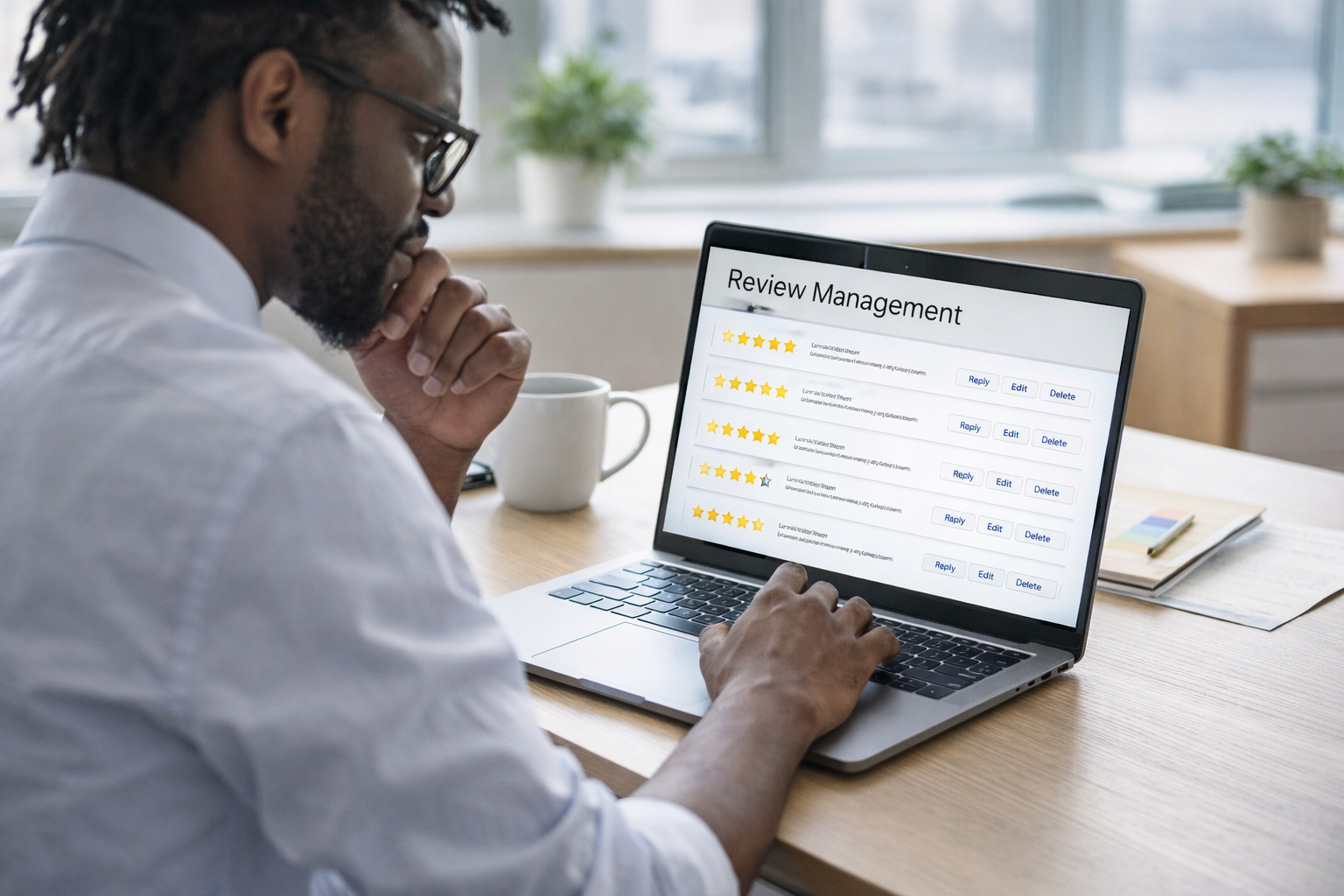
Online reviews have become one of the most influential factors in how customers perceive a business. What was once considered optional marketing activity is now a core business function that directly affects trust, visibility, and growth.
Today’s customers don’t just read reviews - they rely on them to make confident decisions.
Reviews Are the New First Impression
For many customers, reviews are the first interaction they have with a brand. Before visiting a website or making contact, people often scan ratings, recent feedback, and responses to understand what kind of experience to expect.
A neglected review profile can create hesitation, even if the business itself is excellent.
Review Management Builds Trust at Scale
Actively managing reviews shows customers that a business listens and cares. Responding to feedback - especially critical reviews - demonstrates accountability and professionalism.
Trust isn’t built through perfection, but through consistent engagement and transparency.
1. Passive income source
An emergency fund acts as a financial safety net for unexpected expenses like medical emergencies, car repairs, or job loss. Aim to save at least 3-6 months' worth of living expenses in a high-yield savings account
2. Retirement accounts
Many financially free individuals achieve their status not by earning more, but by spending less. The earlier you start, the more time your investments have to grow. Take advantage of employer-matched retirement plans, invest in tax-advantaged accounts
Visibility Depends on Review Activity
Search platforms increasingly favor businesses that show regular review activity. Consistent monitoring and responses help maintain visibility in local search results and improve discoverability.
In many cases, review engagement directly impacts whether a business appears trustworthy and relevant.
Feedback Drives Continuous Improvement
Reviews offer unfiltered insight into customer expectations and experiences. Businesses that analyze and act on feedback are better equipped to improve operations, refine services, and meet customer needs.
Review management turns feedback into actionable business intelligence.
The Cost of Ignoring Reviews
Ignoring reviews can signal indifference and damage brand perception. Unanswered complaints or outdated feedback often create doubt and reduce confidence among potential customers.
In competitive markets, silence can be more damaging than negative feedback.
Why Review Management Is Now Essential
As customer expectations continue to evolve, businesses that treat reviews as an ongoing conversation gain a competitive edge. Review management is no longer about reputation alone — it’s about relationship-building, credibility, and long-term success.
Conclusion
Review management matters more than ever because trust matters more than ever. Businesses that actively engage with customer feedback are better positioned to grow, adapt, and earn loyalty in a digital-first world.
.svg)


